This month we spoke with two recruiters about the AI-inspired changes they’re seeing in the world of software recruiting and Product Management. Below is their advice and perspective for job-seekers to leaders alike.
--
In Part 2 of this month's roundtable, we speak to Andrew Shaw about AI's Impacts on Product role dynamics

Andrew Shaw, Head of Executive Search at The Product Recruiter, specializes in helping organizations hire senior product leaders across North America. His work sits at the intersection of product leadership, executive search, and the evolving skills companies need to succeed in an AI-driven world.
“I will be direct because I am tired of hearing otherwise,” Andrew states firmly.
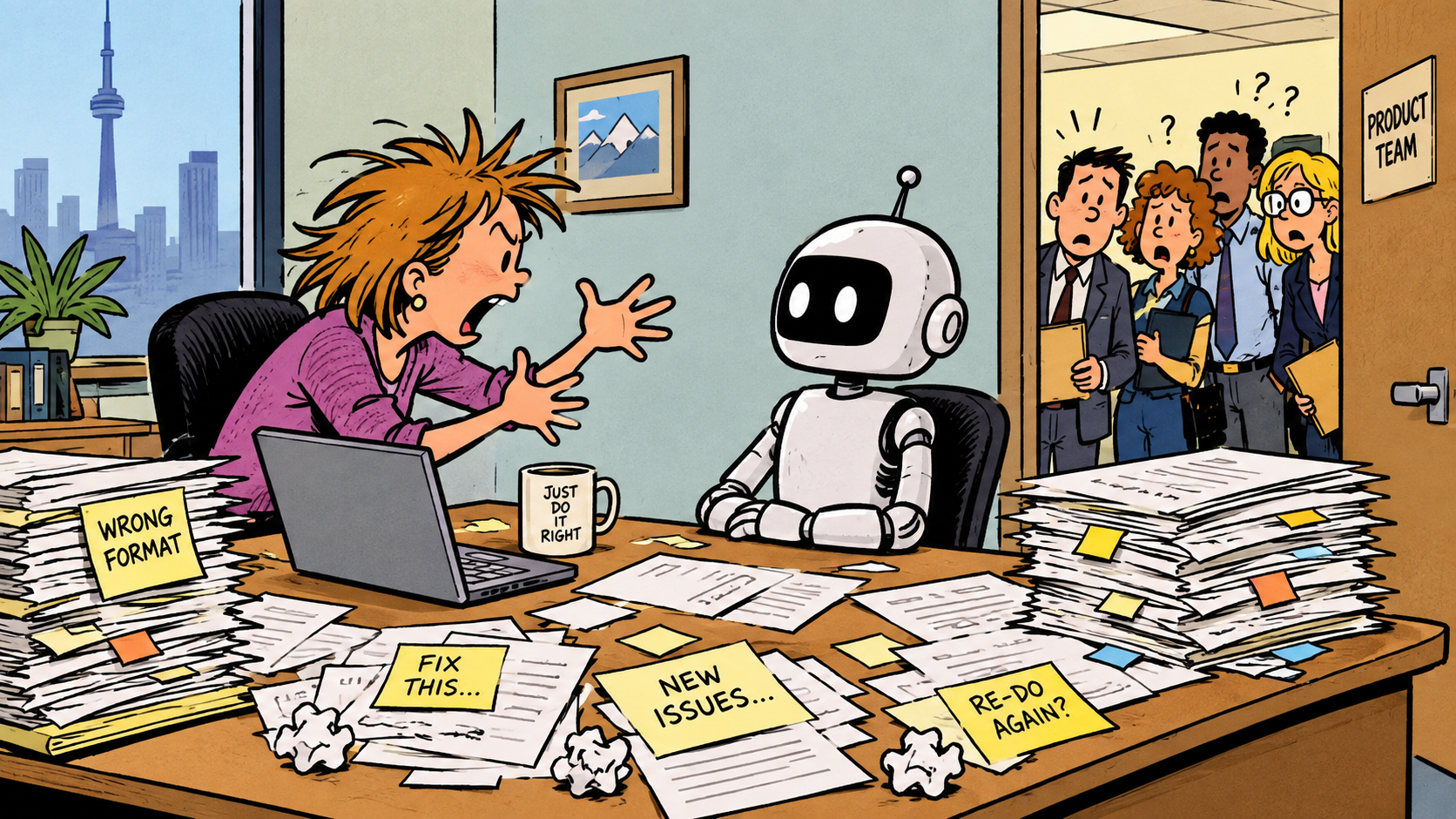
“Code got cheaper. It did not get free. Priorities still matter. Trade-offs still matter. Teams still need to work together. None of that disappeared because a model can generate a user story.”
Andrew continued by emphasizing the heightened need to focus on outcomes.
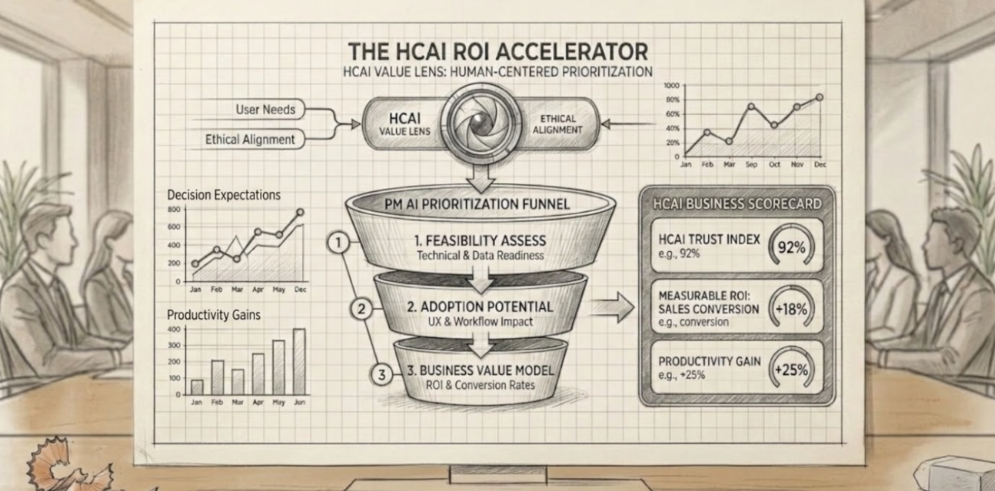
“What agentic workflows actually demand is a shift in how you frame problems. You are not designing a user flow anymore. You are designing for outcomes," Andrew explains.
The solution to a problem may no longer live inside a traditional interface. It may live inside a chat window. That sounds simple. It is not. It is a fundamentally different way of thinking about product and it is the shift younger PMs in particular are still working through.”
"Every conversation about AI comes back to one thing: efficiency. Move faster. Do more with less. That is the only metric that matters right now," Andrew observes.
"But nobody is asking where the good ideas are coming from. Nobody is asking how those ideas change the way teams build together…"
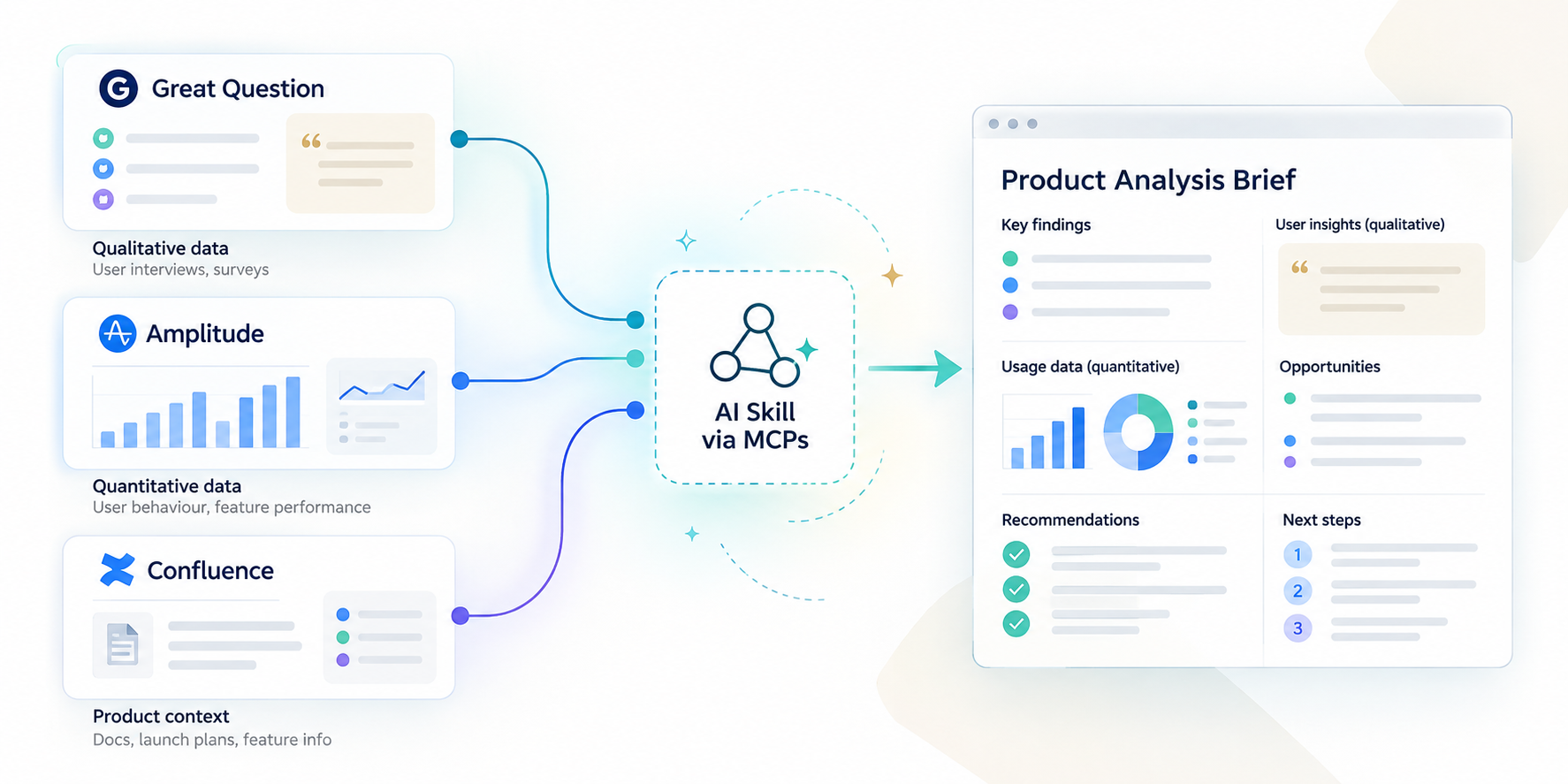
"AI is genuinely useful. It synthesizes faster. It moves discovery along. It helps developers write better and more secure code.
But the judgment call on what to build, who it is for, and why it matters right now? That is still human. The storytelling that gets a team aligned and an executive bought in? Still human.
The PM who understands that distinction is in a much stronger position than the one chasing the hype. The ones who are struggling are the ones waiting for AI to tell them what to prioritize."
“I was on a call recently with a Bay Area CPO scoping a technical PM hire, and the way he broke it down stuck with me,” Andrew recounts.
“One type of AI PM deeply understands the AI itself. The APIs, the infrastructure, how the model fits into the platform.
The other deeply understands the user experience around AI. How people actually interact with it inside real workflows, and what builds trust when the output is not always predictable.
He put it simply: he has yet to see a unicorn who is genuinely strong at both. They are different skill sets, and most candidates lean hard into one or the other.”
Why the Two Types Matters to Both Candidates and Companies
“This matters because companies keep writing job descriptions like AI PM is one job. It is not,” Andrew clarifies.
“If your product lives inside a partner ecosystem where the user experience has to be airtight, you need the second type.
If you are building the platform layer itself, you need the first.
Hire for the wrong one and you will spend six months wondering why the person you brought in cannot solve the problem in front of them.”
How to Get It Right
“The companies getting this right are the ones asking which problem they are actually solving before they write the req.
It is the same instinct the PMs who get ahead right now have: they are not using the most tools or chasing the loudest trend. They understand where the tools break down and what still requires a human to carry the judgment.”
The PMs Who Stay Ahead
“I have been recruiting product leaders for a long time," Andrew notes.
"The ones who thrive through transitions like this are not the ones with the most tools or the loudest opinions. They are the ones who stay curious, stay honest about what they do not know, and keep showing up.
Toronto Product Con was a room full of those people. That gives me a lot of confidence about where product is headed.”
---
Click HERE if you haven't already checked out Part 1 of this month's roundtable, where we speak to Adam Gellert about how AI is affecting applying and hiring
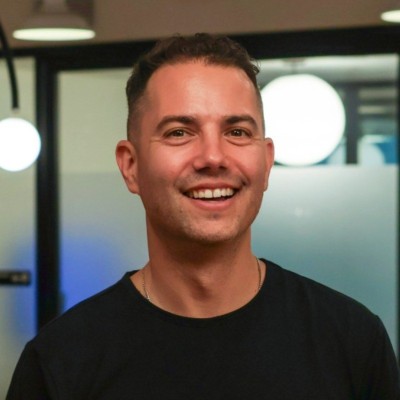
Adam Gellert, Founder and CEO of Linkus Group, has spent more than two decades helping technology companies build high-performing teams. Through his work with founders and executives, he has a front-row view of how AI is reshaping hiring, talent strategy, and the way companies think about building teams.
Mentorship program and in-person event experiences are at an extra cost.
Join for free!Join the TPMA Slack Community with 1000+ members
Free Virtual TPMA events for the entire TPMA Season
Become the first to know about in-person events and networking opportunities
This month we spoke with two recruiters about the AI-inspired changes they’re seeing in the world of software recruiting and Product Management. Below is their advice and perspective for job-seekers to leaders alike.
--
In Part 2 of this month's roundtable, we speak to Andrew Shaw about AI's Impacts on Product role dynamics
Andrew Shaw, Head of Executive Search at The Product Recruiter, specializes in helping organizations hire senior product leaders across North America. His work sits at the intersection of product leadership, executive search, and the evolving skills companies need to succeed in an AI-driven world.
“I will be direct because I am tired of hearing otherwise,” Andrew states firmly.
“Code got cheaper. It did not get free. Priorities still matter. Trade-offs still matter. Teams still need to work together. None of that disappeared because a model can generate a user story.”
Andrew continued by emphasizing the heightened need to focus on outcomes.
“What agentic workflows actually demand is a shift in how you frame problems. You are not designing a user flow anymore. You are designing for outcomes," Andrew explains.
The solution to a problem may no longer live inside a traditional interface. It may live inside a chat window. That sounds simple. It is not. It is a fundamentally different way of thinking about product and it is the shift younger PMs in particular are still working through.”
"Every conversation about AI comes back to one thing: efficiency. Move faster. Do more with less. That is the only metric that matters right now," Andrew observes.
"But nobody is asking where the good ideas are coming from. Nobody is asking how those ideas change the way teams build together…"
"AI is genuinely useful. It synthesizes faster. It moves discovery along. It helps developers write better and more secure code.
But the judgment call on what to build, who it is for, and why it matters right now? That is still human. The storytelling that gets a team aligned and an executive bought in? Still human.
The PM who understands that distinction is in a much stronger position than the one chasing the hype. The ones who are struggling are the ones waiting for AI to tell them what to prioritize."
“I was on a call recently with a Bay Area CPO scoping a technical PM hire, and the way he broke it down stuck with me,” Andrew recounts.
“One type of AI PM deeply understands the AI itself. The APIs, the infrastructure, how the model fits into the platform.
The other deeply understands the user experience around AI. How people actually interact with it inside real workflows, and what builds trust when the output is not always predictable.
He put it simply: he has yet to see a unicorn who is genuinely strong at both. They are different skill sets, and most candidates lean hard into one or the other.”
Why the Two Types Matters to Both Candidates and Companies
“This matters because companies keep writing job descriptions like AI PM is one job. It is not,” Andrew clarifies.
“If your product lives inside a partner ecosystem where the user experience has to be airtight, you need the second type.
If you are building the platform layer itself, you need the first.
Hire for the wrong one and you will spend six months wondering why the person you brought in cannot solve the problem in front of them.”
How to Get It Right
“The companies getting this right are the ones asking which problem they are actually solving before they write the req.
It is the same instinct the PMs who get ahead right now have: they are not using the most tools or chasing the loudest trend. They understand where the tools break down and what still requires a human to carry the judgment.”
The PMs Who Stay Ahead
“I have been recruiting product leaders for a long time," Andrew notes.
"The ones who thrive through transitions like this are not the ones with the most tools or the loudest opinions. They are the ones who stay curious, stay honest about what they do not know, and keep showing up.
Toronto Product Con was a room full of those people. That gives me a lot of confidence about where product is headed.”
---
Click HERE if you haven't already checked out Part 1 of this month's roundtable, where we speak to Adam Gellert about how AI is affecting applying and hiring
Adam Gellert, Founder and CEO of Linkus Group, has spent more than two decades helping technology companies build high-performing teams. Through his work with founders and executives, he has a front-row view of how AI is reshaping hiring, talent strategy, and the way companies think about building teams.
Toronto Product Management Association (TPMA) is a community focused on development, growth and networking of Product professionals in the Greater Toronto Area.