Our BLOG
News and perspective from the Toronto product community. Submit your article idea to our team!
As product managers, we are wired to solve problems. We spot friction, talk to users, build something better, and repeat. But the truly great PMs? They go further. They don’t just fix what’s broken today - they see what people will need tomorrow. They build products that feel obvious in hindsight but radically reshape how entire industries operate. Their secret? Pattern recognition.It might be the most underrated (and underdeveloped) skill in product. And like any skill, it can be developed.
Are you passionate about product management? Do you know someone who is? We're on the hunt for new members to join our board of directors and help shape the future of the Toronto Product Management Association.
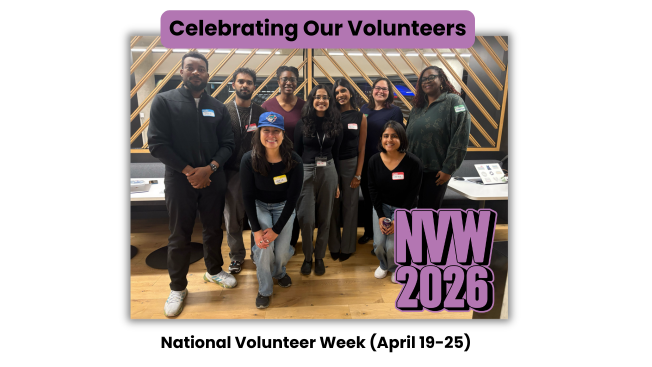
At the heart of the Toronto Product Management Association is something truly special: a community of volunteers who show up, share their time, and make a lasting impact. This National Volunteer Week (April 27 – May 3), we’re taking the time to celebrate the volunteers who make TPMA stronger, more connected, and full of possibility. This week is for you — to reflect on your impact, share your stories, and thank you for everything you do.
On Saturday, April 12th, the Toronto Product Management Association (TPMA) community was fortunate to host Rosemary King to run a half-day workshop at the Schulich Business School. The focus? Tackling one of the most challenging parts of our craft: building effective product strategy.
What PM doesn’t love a numbered list, am I right?! After having the pleasure of working with a lot of Product Managers over 20+ years, I’ve noticed something: the ones who truly excel share a surprising set of traits—many of which aren’t in the job description.
On a brisk evening, dedicated professionals gathered for an illuminating session hosted by the Toronto Product Management Association (TPMA), where attendees delved into an in-depth exploration of the elusive yet crucial concept of product-market fit (PMF), through the lens of three distinct narratives from the industry. Each speaker shared their unique journey, offering valuable lessons on adapting to market demands and recognizing the signals indicative of true PMF.
The journey into product management is seldom straightforward and often involves overcoming numerous challenges and seizing unexpected opportunities. Luke Alexander's path is a testament to the power of perseverance and strategic networking in shaping a successful career. In this interview, Luke shares his experiences, insights, and advice for aspiring Product Managers. As a Product Manager at Fivetran, Luke leads product strategy and execution for marketing connectors. He is also an expert in e-commerce and martech with over 5 years of experience building products for large B2C and B2B businesses and marketplace sellers.
As we kick off 2025, many companies are laser-focused on building their 2025 product roadmap and hiring Product Managers to help them achieve their goals. To help candidates navigate the interview process and stand out, we teamed up with The Product Recruiter to uncover; what today’s product leaders are asking in interviews—and what they’re looking for in a great answer.
When we sat down with TPMA Board Member Aaron Mohammed to discuss his career, the passion for both problem-solving and technology was evident. "I never thought of product management or consulting as a career," he shared. "It wasn’t even on my radar until the later years of university." Aaron’s journey from blissful unawareness to becoming a leader in product consulting is one of curiosity, resilience, and continuous growth. In this feature, we explore his path, lessons he’s learned, and his advice for aspiring product consultants.
In an earlier blog post, we talked about why user research is important, and an overview of how to get started if you’re new to it. In this post, we will walk you through the first step, which is to plan your user research activities.As a product manager, the insights you gather are crucial not just for understanding user needs but for aligning these needs with your product roadmap.